Introduction
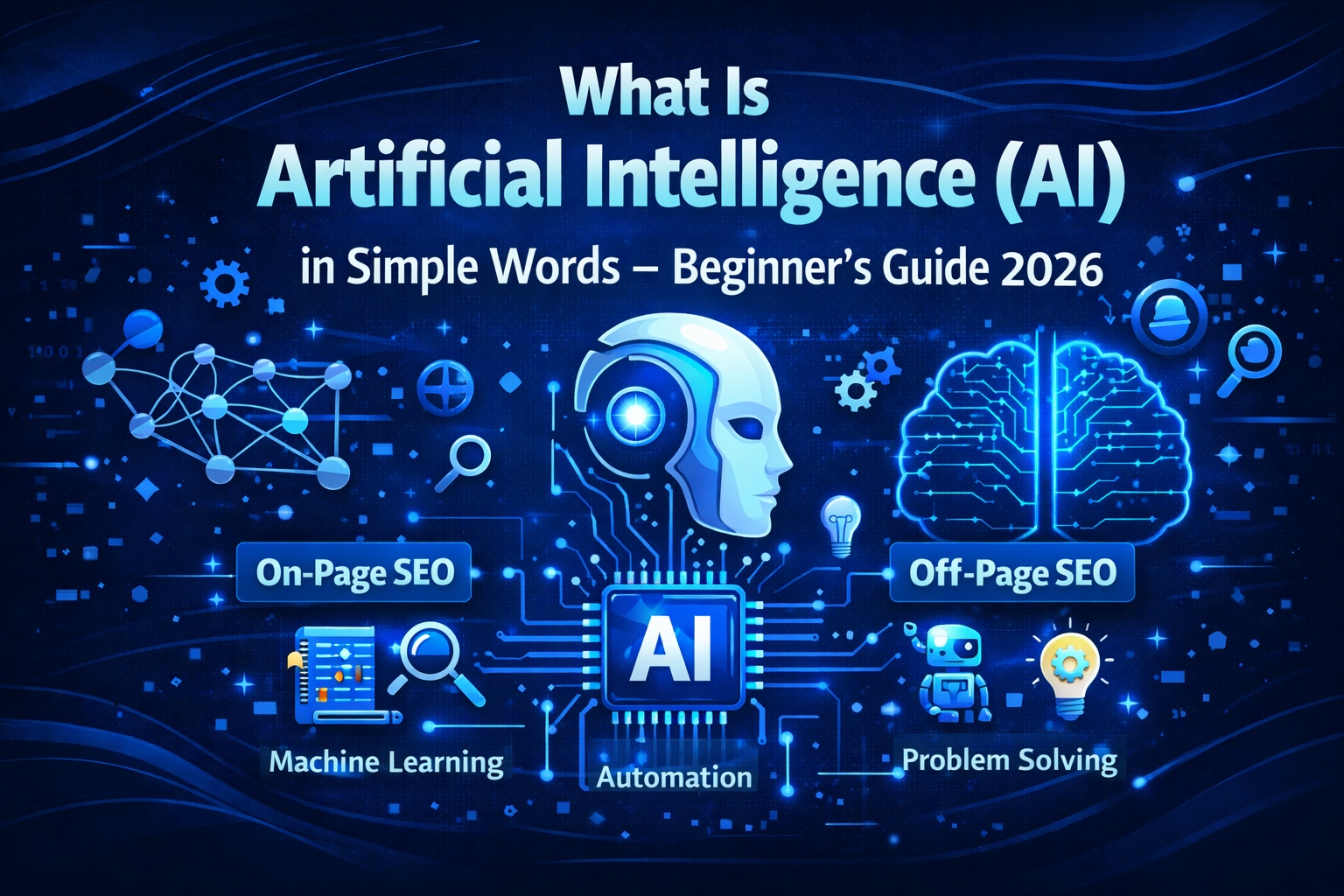
Artificial Intelligence, or AI, is the technology that allows machines to think, learn, and perform tasks that normally require human intelligence.
In simple words, AI is making computers and software “smart” so they can solve problems, recognize patterns, make decisions, and even interact with humans.
In 2026, AI is everywhere—from chatbots and virtual assistants to automated cars and AI-powered tools for businesses. This guide explains AI in simple words for beginners.
What Is Artificial Intelligence?
AI is the science of creating intelligent machines that can perform tasks that typically need human intelligence, such as:
- Understanding language (Natural Language Processing – NLP)
- Recognizing images or speech (Computer Vision)
- Making decisions and predictions (Machine Learning & Deep Learning)
- Solving problems and learning from experience
AI is not about replacing humans; it assists humans and automates repetitive tasks, improving efficiency and accuracy.
Types of Artificial Intelligence
1️⃣ Narrow AI (Weak AI)
- Designed to perform a specific task
- Examples: ChatGPT, Google Assistant, recommendation systems on Netflix or Amazon
2️⃣ General AI (Strong AI)
- Machines that can perform any intellectual task a human can do
- Still in development; not widely available
3️⃣ Superintelligent AI
- Hypothetical AI that surpasses human intelligence
- A future concept in AI research
📌 Image suggestion: Diagram showing Narrow AI → General AI → Super AI
Applications of AI in Daily Life
- Virtual Assistants
- Siri, Alexa, Google Assistant
- Siri, Alexa, Google Assistant
- Recommendation Systems
- Netflix, YouTube, Amazon product suggestions
- Netflix, YouTube, Amazon product suggestions
- Self-Driving Cars
- Tesla, Waymo, autonomous vehicle technologies
- Tesla, Waymo, autonomous vehicle technologies
- Healthcare
- AI diagnostics, drug discovery, personalized treatment
- AI diagnostics, drug discovery, personalized treatment
- Chatbots & Customer Support
- Automated support on websites and apps
- Automated support on websites and apps
- Social Media & Marketing
- AI-powered ad targeting, analytics, content creation
- AI-powered ad targeting, analytics, content creation
📌 Internal link suggestion: Link to [Best Digital Marketing Tools]
AI vs Machine Learning vs Deep Learning
- Artificial Intelligence (AI): Machines performing intelligent tasks
- Machine Learning (ML): Machines learn from data without explicit programming
- Deep Learning (DL): Subset of ML using neural networks for complex tasks like image and speech recognition
Benefits of Artificial Intelligence
- Automation: AI reduces human effort and errors
- Efficiency: Tasks are completed faster and accurately
- Decision Making: Data-driven insights improve business decisions
- Personalization: AI tailors services to individual needs
- Innovation: Enables creation of new products and services
Future Scope of AI in 2026 and Beyond
- AI in Business: Automating marketing, sales, customer support
- AI in Healthcare: Advanced diagnostics, telemedicine
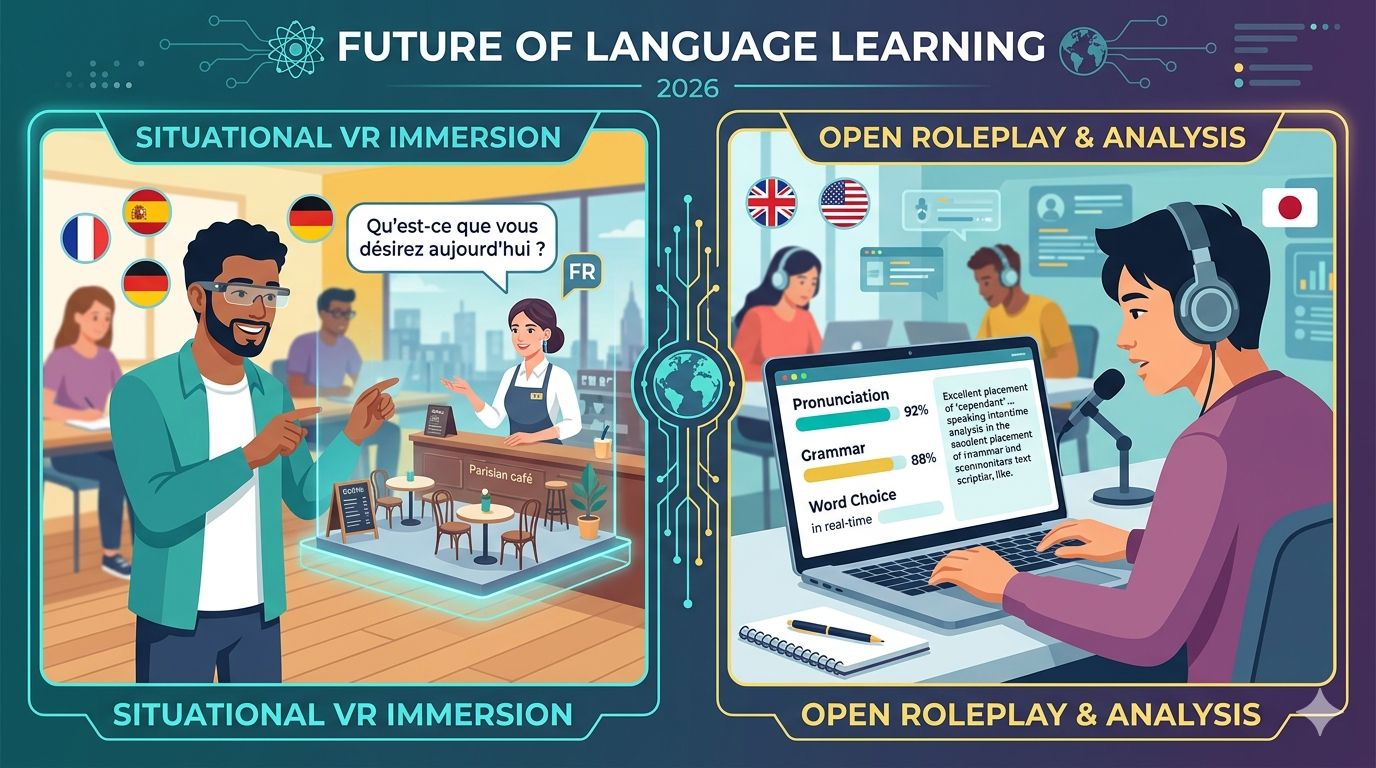
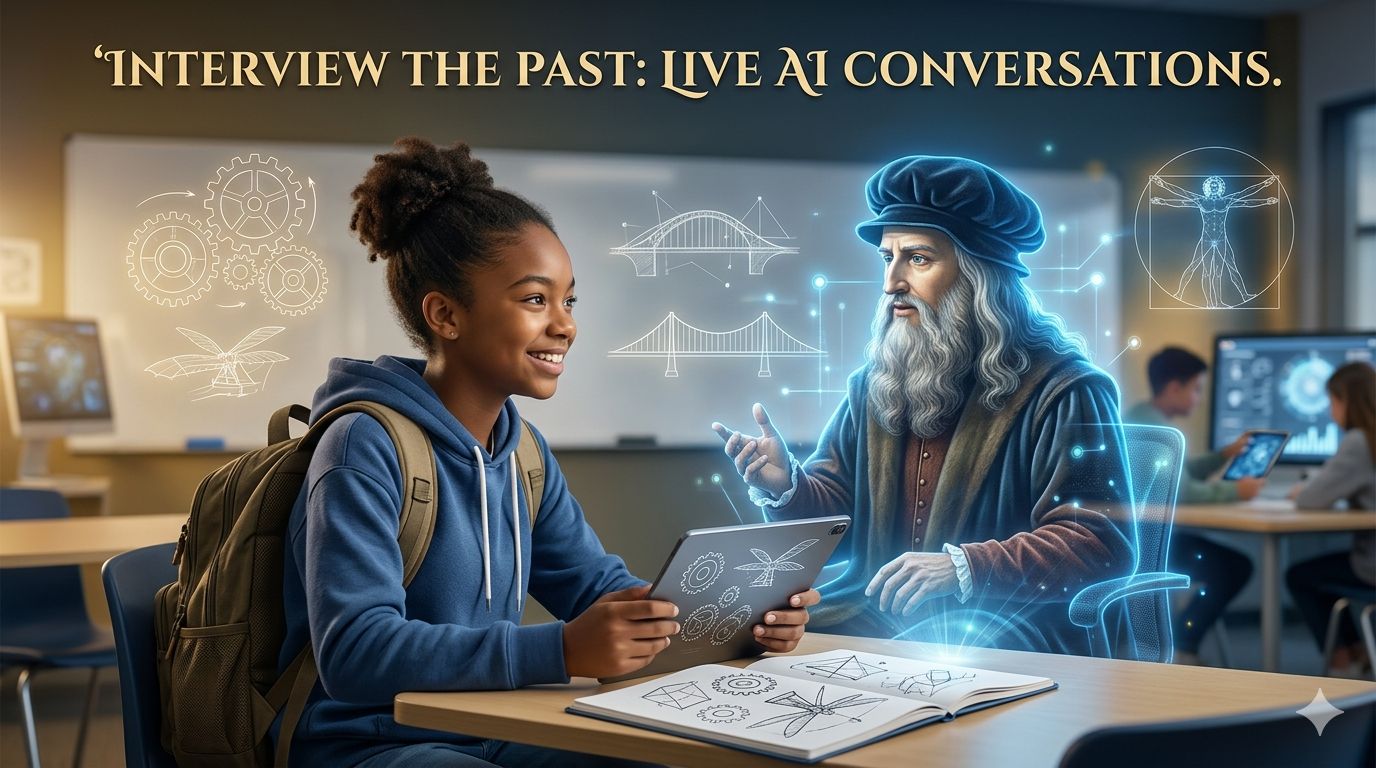
- AI in Education: Personalized learning platforms, AI tutors
- AI in Robotics: Smarter machines in manufacturing and logistics
- AI in Daily Life: Smart homes, AI-powered apps, personal assistants
💡 Tip: Learning AI basics now can lead to high-demand career opportunities in machine learning, AI development, and data science.
How Beginners Can Learn AI
- Start with Basics: Understand what AI is and its applications
- Learn Python: Popular programming language for AI
- Explore AI Tools: ChatGPT, TensorFlow, Google AI tools
- Take Online Courses: Coursera, Udemy, edX, or Google AI courses
- Work on Projects: Build chatbots, simple AI models, or recommendation systems
- Stay Updated: AI evolves rapidly; follow AI news, blogs, and tutorials
📌 Internal link suggestion: Link to [How Social Media Marketing Works] (for AI in marketing)
Common Misconceptions About AI
- AI will replace all human jobs: AI augments humans, creating new roles
- AI is conscious: AI lacks emotions and self-awareness
- AI is too complicated: Beginners can start with small projects and tools
- AI always makes perfect decisions: AI depends on data quality and algorithms
Key Takeaways
- AI = machines performing tasks requiring human intelligence
- Common types: Narrow AI, General AI, Super AI
- Applications span healthcare, marketing, education, business, and daily life
- Learning AI opens high-demand career opportunities
Beginners should start small, practice, and gradually explore advanced AI tools